For years, the conversation around ransomware has focused on prevention. How do we stop the attack? How do we detect it faster? How do we reduce the blast radius? These are all important questions.
But after taking part in Commvault's Minutes to Recovery (M2R) exercise, I came away convinced that the most important question is actually:
How quickly can your business recover when prevention isn't enough?
That is the premise behind Minutes to Recovery, a cyber-resiliency experience designed to challenge organisations to think beyond backup and move towards true operational recovery. Following on from the highly regarded Minutes to Meltdown simulation, M2R puts participants directly into the middle of a cyber event and asks them to make the difficult decisions that separate business disruption from business survival.
More Than a Technical Lab
Participants are taken through multiple perspectives during the exercise. You experience the mindset of an attacker, the challenges faced by defenders, and ultimately the pressure of restoring operations after an incident. The result is a far more complete understanding of cyber resilience than any presentation or whitepaper could deliver.
The attacker phase highlights just how quickly modern threats can compromise environments, and how AI allows the attacker to pivot and overwhelm detected defensive measures. The defender stage demonstrates the complexity organisations face when trying to identify what is trusted, what is compromised, and what actions need to be prioritised. Finally, the recovery phase focuses on restoring critical services using capabilities including Synthetic Recovery, ThreatScan and Cleanroom technologies.
The experience reinforces an uncomfortable reality:
It's no longer enough to ask whether you can recover. You need to know how quickly, how cleanly, and how confidently you can recover.
Turning Recovery into a Business Conversation
One of the biggest strengths of Minutes to Recovery is that it changes the discussion.
Traditionally, backup conversations revolve around storage capacity, retention policies, and recovery point objectives. While these remain important, executive teams are increasingly asking different questions:
- How do we recover after a cyber-attack?
- How can we trust our recovery data?
- How do we avoid reinfection?
- What is the operational impact while we're recovering?
M2R shifts the focus towards answering those questions. Rather than discussing resilience as a theoretical concept, participants experience firsthand the decisions and trade-offs organisations must make during a major cyber incident.
For partners, this creates a powerful opportunity.
Customers are becoming increasingly aware that traditional backup alone does not equal cyber resilience. Workshops such as Minutes to Recovery provide a practical way to demonstrate the value of recovery readiness while opening broader conversations around cyber recovery strategy, cleanroom validation, incident response planning, and resilience services.
The Missing Piece: Recovery Readiness
A key insight from the session is that recovery is often the least tested component of a cyber strategy.
Most organisations have invested significantly in prevention and detection technologies. Fewer have invested the same level of effort in validating how they would actually recover critical workloads under real-world conditions.
Participants quickly discover that recovering systems is only part of the challenge. Understanding dependencies, validating data cleanliness, prioritising business services, and coordinating recovery efforts require planning and preparation long before an attack occurs.
This is where cyber resilience differs from traditional backup. Backup protects data - cyber resilience protects business operations.
Why Partners Should Take Notice
For partners looking to build strategic conversations with customers, Minutes to Recovery provides a compelling framework.
It moves the engagement away from features and functions and into business outcomes. Customers leave with a better understanding of their own strengths and weaknesses, while partners gain an opportunity to position advisory services, recovery planning, managed resilience offerings, and modern cyber recovery solutions.
The exercise is particularly effective for technical audiences because participants are actively involved rather than passively consuming information. The hands-on approach creates stronger engagement and more meaningful discussions around risk and recovery preparedness.
Importantly, it also demonstrates that resilience is a shared responsibility. Technology plays a crucial role, but people, process, governance, and planning are equally important when responding to a cyber event.
Looking Ahead
With a Minutes to Recovery event planned for Auckland in September, there is a significant opportunity for New Zealand partners to experience this approach firsthand and understand why cyber recovery has become one of the most important conversations in modern IT.
The organisations that recover fastest after a cyber incident are rarely the ones with the most technology. They are the ones that have prepared, tested and practised. And most importantly, they understand that resilience is not measured by whether an attack occurs, but by how quickly and effectively the business can recover when it does.
That is the real message behind Minutes to Recovery. And it is a message every organisation should hear.
How Dicker Data Can Help
As cyber resilience becomes a bigger priority for organisations across New Zealand, partners have an opportunity to lead more strategic conversations around recovery readiness, business continuity, and operational confidence.
Initiatives such as Minutes to Recovery provide a practical framework for those discussions, helping organisations understand the operational realities of a cyber incident and identify the gaps between backup and true business resilience.
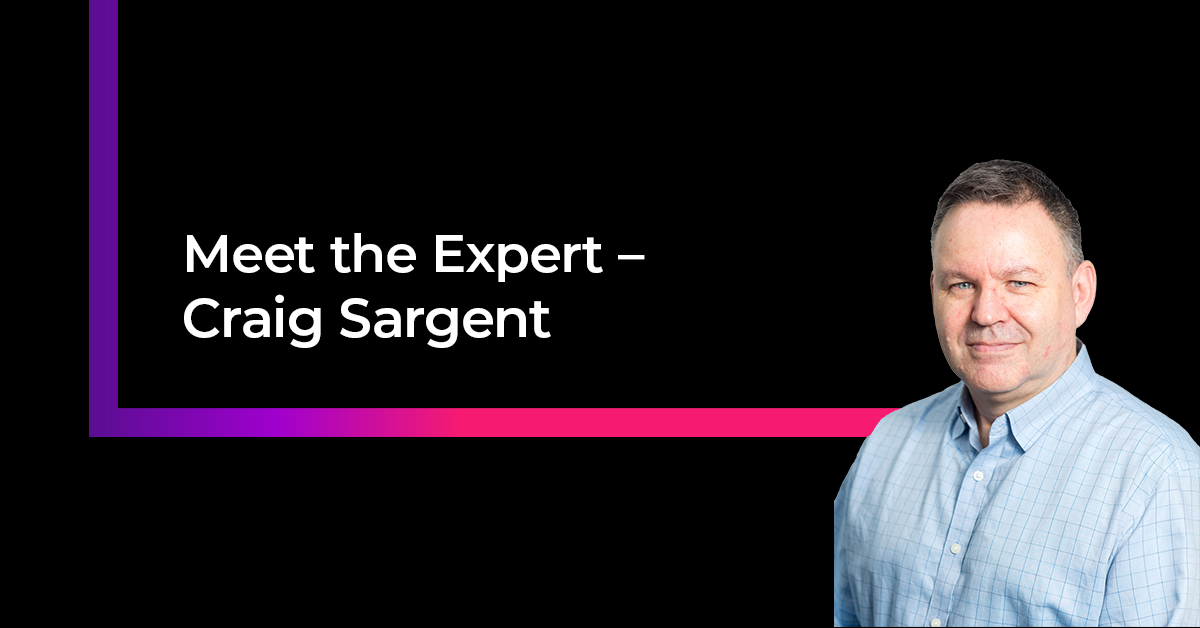
To learn more about bringing Minutes to Recovery to your customers, attending the upcoming Auckland session, or exploring how cyber resilience services can complement your existing practice, connect with Craig Sargent, Dicker Data's Commvault BDM, to continue the conversation.