As hybrid work becomes the norm, organisations are investing heavily in collaboration technologies that help employees stay connected and productive. Yet one critical piece of the collaboration experience is often overlooked: the headset.
Today's headset is far more than an audio accessory. It has evolved into a productivity tool, enabling clearer conversations, reducing workplace distractions, supporting AI-powered meeting experiences, and helping employees stay comfortable throughout the day. Choosing the right headset is no longer simply a matter of personal preference. It's a strategic business decision that can significantly impact employee experience, productivity and operational efficiency.
The Workplace Has Changed. Has Your Headset Strategy?
Modern employees rarely work from a single location. Throughout the week, they may move between corporate offices, home offices, customer sites and shared workspaces while switching between multiple devices and communication platforms.
Despite these changes, many organisations still adopt a one-size-fits-all approach to headset deployment. While this may simplify procurement, it often fails to deliver the best user experience across the diverse ways people work today.
An employee in a busy open-plan office faces very different audio challenges than a road warrior, an executive, a contact centre agent or a hybrid knowledge worker. The collaboration tools that work well for one person may create friction for another.
Why Audio Quality Matters More Than Ever
As organisations embrace hybrid work, the quality of conversations has become just as important as the quality of network connections.
Research from Frost & Sullivan found that poor audio remains one of the biggest barriers to effective collaboration, disrupting meeting flow, reducing productivity and making remote participants feel less engaged. Their research also revealed that 78% of organisations consider intelligent audio essential for effective hybrid meetings.
Clear audio helps employees:
- Participate more effectively in meetings
- Minimise distractions and background noise
- Improve collaboration between in-office and remote workers
- Create more inclusive meeting experiences
- Deliver a more professional customer experience
In a world where meetings happen anywhere and everywhere, being able to clearly hear and be heard has become fundamental to workplace success.
Moving Beyond Device Standardisation
For many years, standardising on a single headset model made sense. It simplified deployment, support and procurement.
However, today's workforce demands a more nuanced approach.
Recognising this shift, HP conducted extensive workplace research and identified nine distinct workstyle personas, each with unique communication habits, environments and technology requirements. Rather than categorising employees by job title alone, HP focused on how people actually work. These insights have influenced the design of the company's collaboration solutions and headset portfolio.
The conversation is evolving from standardising devices to standardising experiences. Instead of requiring employees to adapt to a single technology solution, organisations are increasingly looking for technology that adapts to individual workstyles.
How HP Poly Is Responding
Rather than simply introducing another range of headsets, HP | Poly has redesigned its portfolio around modern workstyles.
The new headset offerings are designed to support a variety of users, including:
- Office-based professionals
- Hybrid workers
- Mobile employees
- Executives and leaders
- Contact centre teams
This approach allows organisations to match employees with the most appropriate device based on their needs and work environment. At the same time, centralised management through Poly Lens helps IT teams simplify deployment, monitoring and support.
The key question has shifted from:
"Which headset should we standardise on?"
to:
"How can we deliver the best collaboration experience for every employee?
Why IT Leaders Should Pay Attention
Modern headsets have become business-critical collaboration devices. A well-planned headset strategy can help organisations:
- Improve meeting quality
- Reduce background noise
- Enhance employee comfort
- Simplify IT support
- Increase visibility and management capabilities through Poly Lens
For IT teams balancing user experience with operational efficiency, headset strategy is becoming an increasingly important part of broader workplace technology planning.
A Real-World Example
One growing organisation found itself managing multiple generations of headsets accumulated over several years. The result was inconsistent user experiences, difficult support processes and limited visibility for IT.
Rather than launching a costly organisation-wide replacement project, the IT team adopted a workstyle-based approach:
- Employees were grouped into Office, Hybrid, Mobile and Contact Centre categories.
- Appropriate Poly headsets were matched to each workstyle.
All devices were managed centrally through Poly Lens.
This enabled a staged refresh strategy, allowing devices to be replaced gradually as budgets permitted or equipment reached end of life. The outcome included:
- Simpler IT support
- Improved visibility
- Happier end users
- Better Microsoft Teams experiences
- Lower refresh costs over time
The approach delivered consistency without requiring a large upfront investment.
Five Considerations Before Your Next Headset Refresh
Before investing in new collaboration devices, organisations should consider:
- Understand how different employees work.
- Match headset features to specific workstyles.
- Evaluate manageability alongside user experience.
- Standardise where it makes sense.
Choose a portfolio designed for future workplace needs.
Looking Ahead
Selecting the right collaboration devices is only part of building a successful hybrid workplace strategy. Effective management, monitoring and lifecycle support are equally important.
As collaboration environments continue to evolve, organisations that align technology decisions with employee workstyles will be better positioned to improve productivity, enhance user satisfaction and simplify IT operations.
The future of collaboration isn't about finding one headset for everyone. It's about creating the right experience for every conversation.
Any questions? Contact uc.sales@dickerdata.co.nz
Want to learn more?
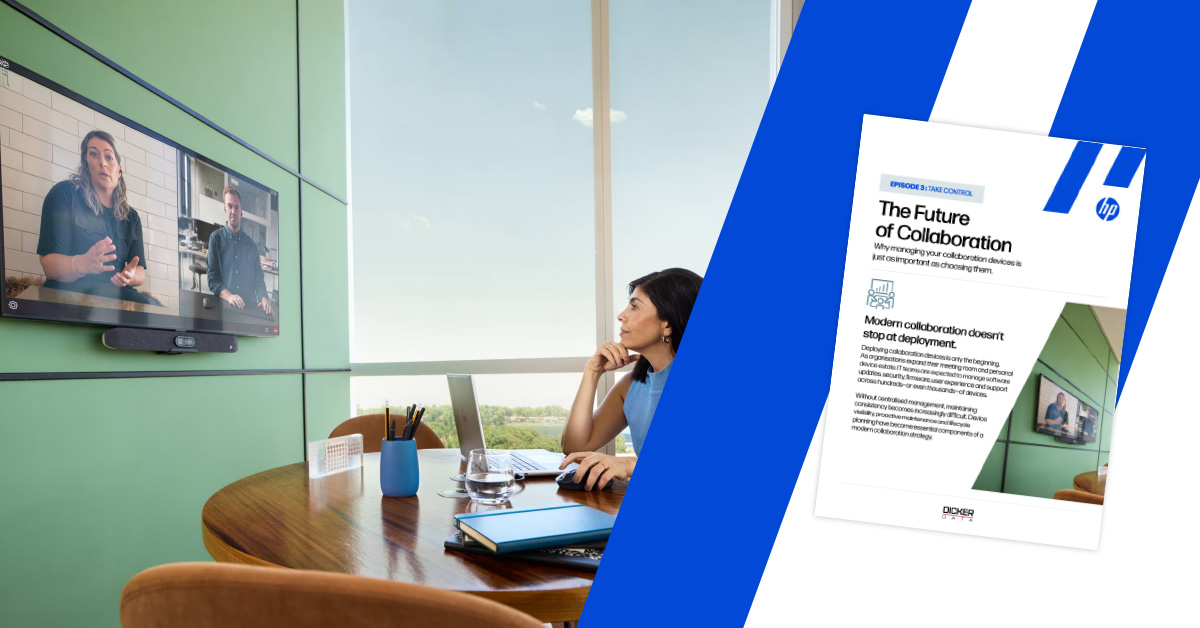
Read Episode 3 Here!