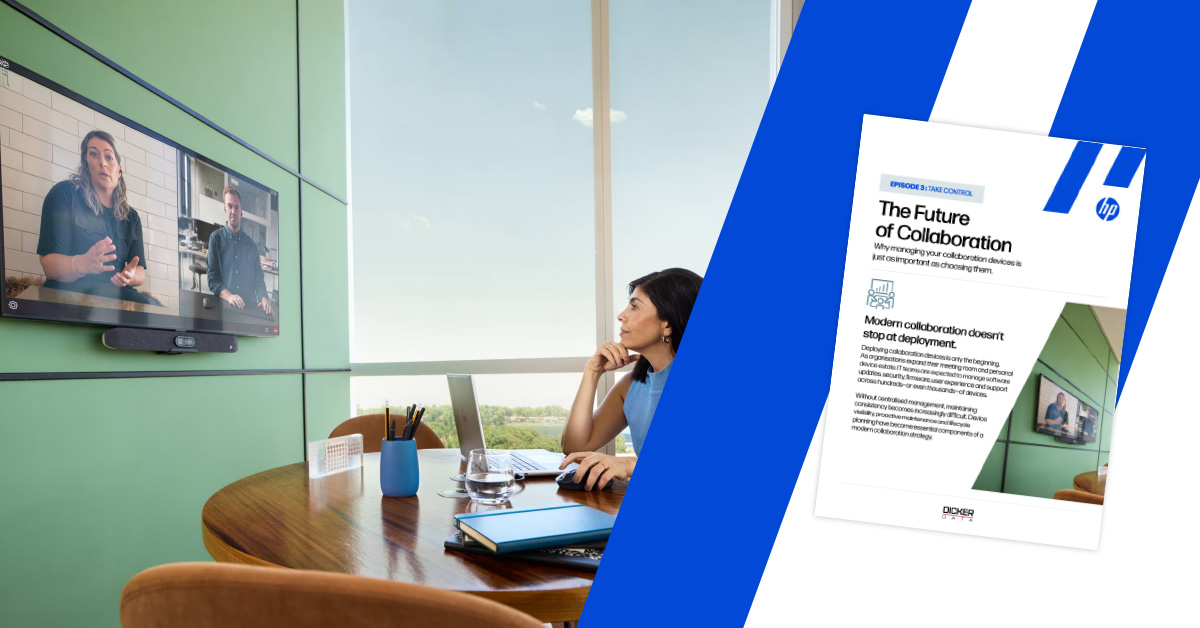
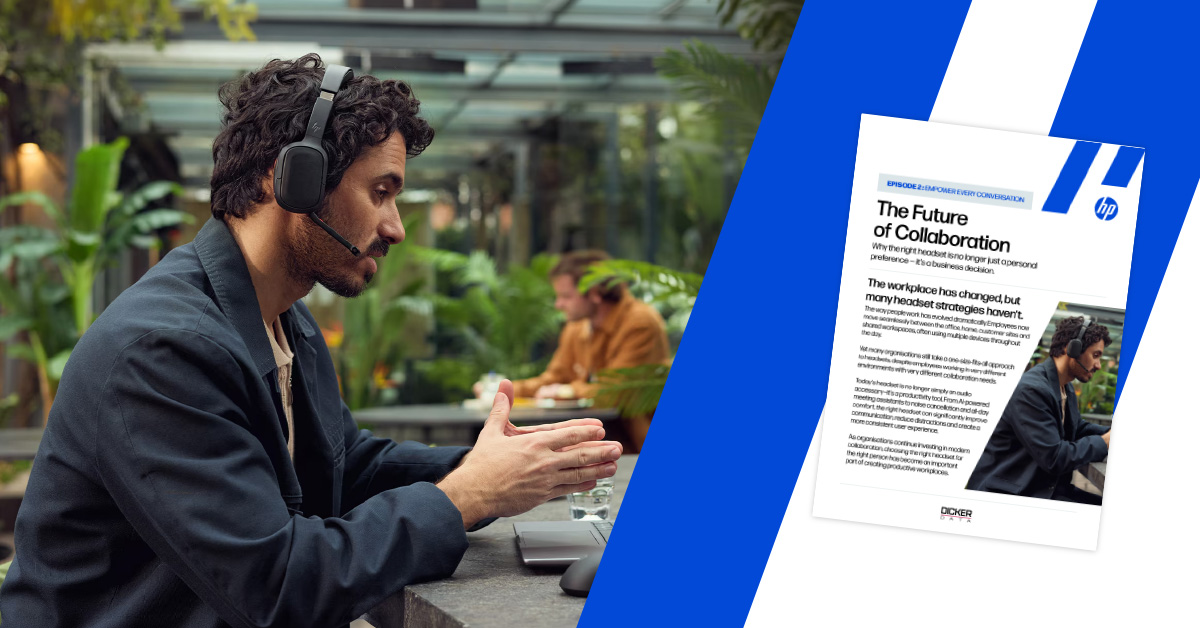
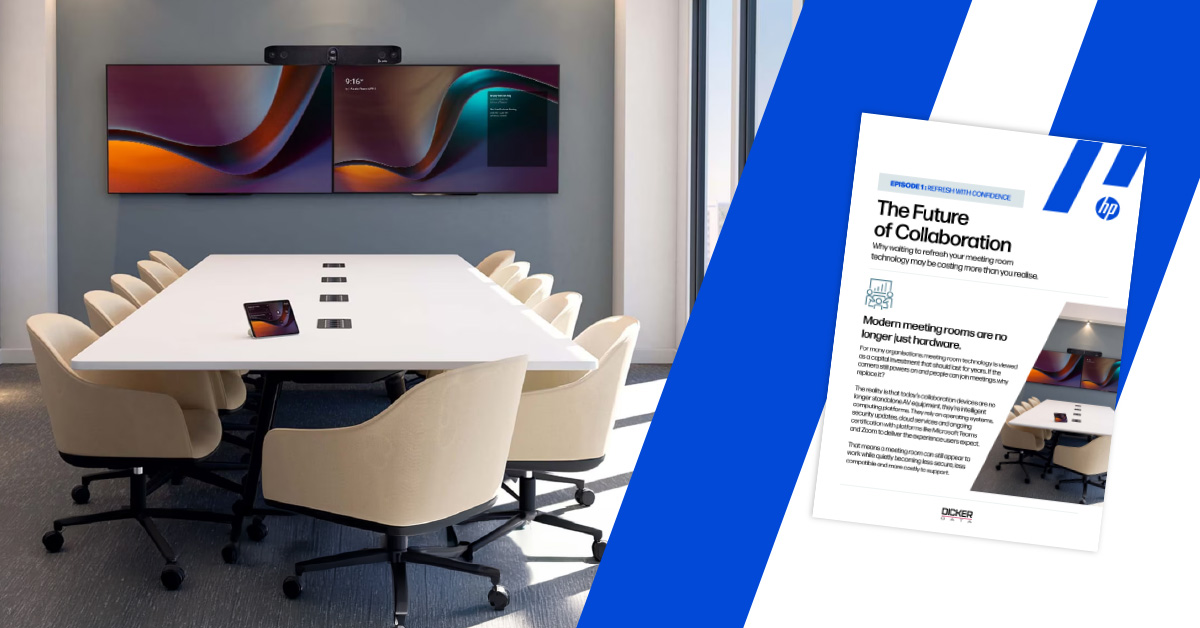
As organisations continue to invest in collaboration technology, the conversation is shifting beyond simply choosing the right devices. Today's IT leaders face a new challenge: how to effectively manage, monitor and support a growing ecosystem of collaboration tools across hybrid work environments.
From headsets and video bars to conference room solutions and personal devices, collaboration technology is now distributed across offices, homes and remote locations. While these tools empower employees to work from anywhere, they can also create significant complexity for IT teams.
The question is no longer whether organisations have the right technology. The real question is whether they have the visibility and control needed to keep that technology performing at its best.
The Growing Challenge of Hybrid Work
Hybrid work has fundamentally changed the way organisations deploy and support technology.
Employees expect seamless collaboration experiences regardless of where they work. Whether joining a Teams meeting from the office, home or on the road, users want reliable audio, video and connectivity without needing IT intervention.
For IT teams, however, supporting a dispersed workforce presents new challenges:
- Limited visibility into device performance
- Difficulty maintaining firmware updates
- Increased support tickets
- Inconsistent user experiences
- Greater security and compliance considerations
Without a centralised management strategy, collaboration devices can quickly become difficult to track and maintain.
Why Visibility Matters
You can't manage what you can't see.
Many organisations have accumulated a mix of collaboration devices over time, often from different vendors and across multiple generations of technology. This can leave IT teams struggling to identify device issues before they impact users.
Visibility into device health, software versions and usage trends allows IT teams to move from a reactive support model to a proactive one. Instead of waiting for users to report problems, IT can identify and resolve issues before they disrupt productivity.
This shift can significantly improve both employee experience and operational efficiency.
Moving from Device Deployment to Lifecycle Management
Purchasing collaboration technology is only the beginning.
To maximise the value of these investments, organisations need a strategy that covers the entire device lifecycle, including:
- Provisioning and deployment
- Monitoring and analytics
- Firmware and software updates
- Troubleshooting and support
- Replacement and refresh planning
A lifecycle approach helps organisations reduce downtime, simplify support and extend the value of their technology investments.
How Poly Lens Helps IT Teams Take Control
HP Poly's management platform, Poly Lens, is designed to provide centralised visibility and control across collaboration devices.
With a single management platform, IT teams can:
- Monitor device health and status
- Deploy firmware updates remotely
- Gain insights into device usage
- Identify potential issues before users are affected
- Simplify support across distributed workforces
By bringing device management into one view, organisations can reduce administrative overhead while improving the overall collaboration experience for employees.
The Business Benefits
Effective device management delivers benefits well beyond IT.
When collaboration technology performs consistently, organisations can:
- Improve employee productivity
- Reduce meeting disruptions
- Enhance user satisfaction
- Lower support costs
- Increase return on technology investments
For businesses embracing hybrid work, these outcomes contribute directly to operational efficiency and employee engagement.
Taking the Next Step
As collaboration environments continue to evolve, successful organisations will focus not only on providing the right technology, but also on managing it effectively throughout its lifecycle.
The future of collaboration depends on more than great devices. It requires the visibility, control and insights needed to keep people connected, productive and supported wherever they work.
With the right management strategy in place, IT teams can move from reacting to issues to proactively driving better collaboration outcomes across the entire organisations.
Any questions? Contact uc.sales@dickerdata.co.nz
What to read more?
Read Episode 1 & 2 Here!